Maoist Sister organization Condemn US Embargo

वि.सं.२०७८ वैशाख १४ मंगलवार १४:०९
12.99K
shares
shares
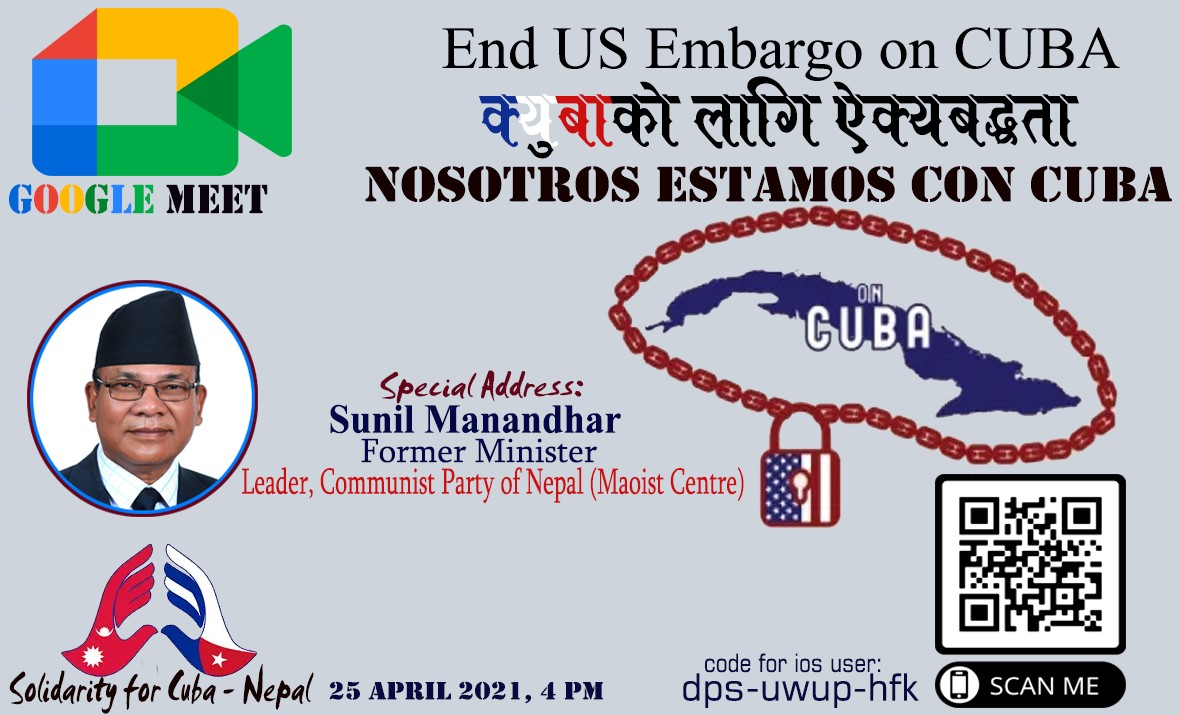
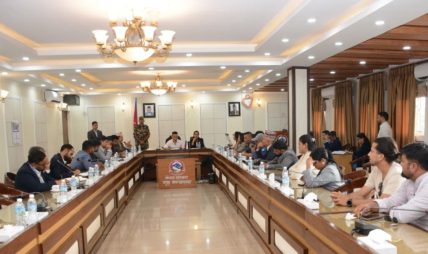
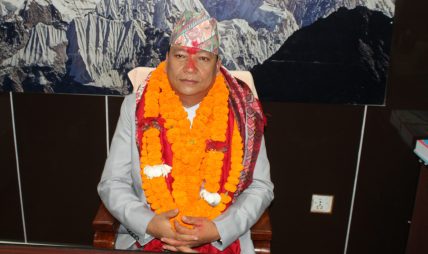
Different organizations from Nepal pays their solidarity with Cuba against the US embargo. On April 25 Solidarity for cuba – Nepal organized the Google meet video conference against the economic blockade of USA upon Cuba since long. Former minister and leader of communist party of Nepal (Maoist Center) Mr. Sunil Kumar Manandhar addressed the conference. Manandhar speaks standing with people of Cuba in this difficult time. U.S should reverse its policy towards Cuba and lift blockade & economic sanctions which are dangerous for the country. As a citizen of Nepal, strongly support Cuba & urge U.S to lift up the blockade. Because of this blockade Cuban people are loosing their Jobs, businesses are shutting down, imports & exports are decreasing, economy is declining.
Addressing the conference Manandhar said, ‘The U.S. sanctions on Cuba and their economic impacts can be traced back to when they were first implemented in the 1960s. The embargo was costing the United States economy $1.2 billion per year as a result of the legal structures that prevented American exporters from entering Cuban markets. The Cuba Policy Foundation (CPF) has provided more extreme data; its estimates put the cost of the embargo at $4.84 billion per year while costing Cuba $685 million per year. Cuba is estimated to have lost over $28.6 billion in trade, according to a 1992 study published by the Cuban Central Planning Board’s Institute of Economic Research.
In 1989, with the collapse of the Soviet bloc, Cuba witnessed its most devastating economic crises. Cuba’s GDP plummeted 34% and trade between the nations apart from the Council of Mutual Economic Assistance (CMEA) declined by 56%. Between 1989 and 1992, the termination of traditional trade partnerships with the Soviet bloc caused the total value of Cuba’s exports to fall by 61% and imports to drop by approximately 72%. This period is known as the Special Period. Supporters of the embargo and many international economists believed that the dissolution of the Soviet Union and the resultant economic crisis would lead to the downfall of Fidel Castro’s government. However, Cuba’s government instituted a campaign of macroeconomic adjustment and liberalization, which helped significant economic recovery.
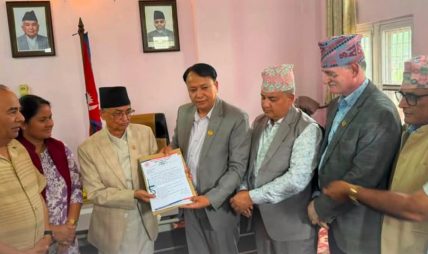
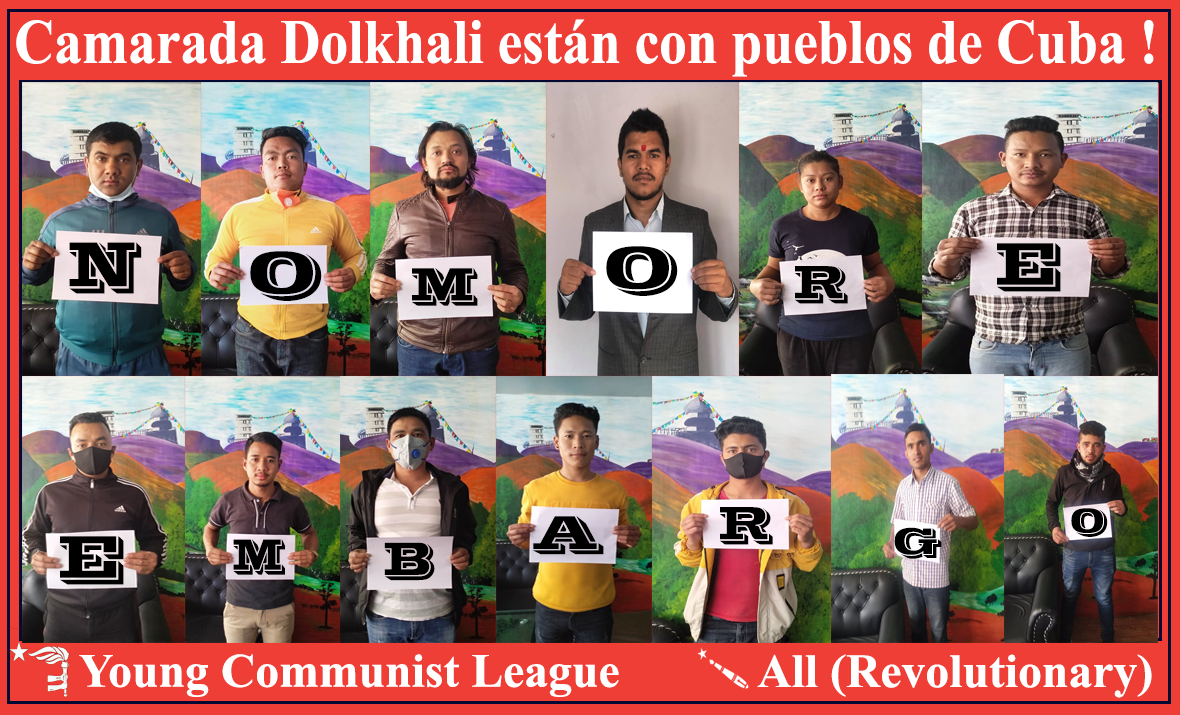
The sister organization of Maoist Center Young Communist League, Nepal and All Nepal National Independent Student Union (Revolutionary) Dolakha chapter also condemn the embargo making play cards. Youth leaders Nabaraj Aryal, Chandra kumar Lama, Bharat Shrestha, Binod Ghimire etc actively participated in the programme.
The United States imposed an arms embargo on Cuba on March 14, 1958, during the armed conflict of 1953-1958 between rebels led by Fidel Castro and the Fulgencio Batista régime. Arms sales violated U.S. policy which had permitted the sale of weapons to Latin-American countries which had signed the 1947 Inter-American Treaty of Reciprocal Assistance (Rio Treaty) as long as the weapons were not used for hostile purposes. The arms embargo had more of an impact on Batista than on the rebels. After the Castro socialist government came to power on January 1, 1959, Castro made overtures to the United States but was rebuffed by the Dwight D. Eisenhower administration, which by March began making plans to help overthrow him. Congress did not want to lift the embargo.
In May 1960 the Cuban government began regularly and openly purchasing armaments from the Soviet Union, citing the US arms embargo. In July 1960 the United States reduced the import quota of brown sugar from Cuba to 700,000 tons under the Sugar Act of 1948; and the Soviet Union responded by agreeing to purchase the sugar instead.
In October 1960 a key incident occurred: Eisenhower’s government refused to export oil to the island, leaving Cuba reliant on Soviet crude oil, which the American companies in Cuba refused to refine. This led the Cuban government to nationalize all three American-owned oil refineries in Cuba in response. The refinery owners were not compensated for the nationalization of their property. The refineries became part of the state-run company, Unión Cuba-Petróleo. This prompted the Eisenhower administration to launch the first trade embargo—a prohibition against selling all products to Cuba except food and medicine. The Cuban regime responded with nationalization of all American businesses and most American privately owned properties on the island. No compensation was given for the seizures, and a number of diplomats were expelled from Cuba.
The second wave of nationalizations prompted the Eisenhower administration, in one of its last actions, to sever all diplomatic relations with Cuba in January 1961. The U.S. partial trade embargo with Cuba continued under the Trading with the Enemy Act 1917.
The United States embargo against Cuba prevents American businesses, and businesses with commercial activities in the United States, from conducting trade with Cuban interests. It is the most enduring trade embargo in modern history. The United States first imposed an embargo on the sale of arms to Cuba on March 14, 1958, during the Fulgencio Batista regime. Again on October 19, 1960 (almost two years after the Cuban Revolution had led to the deposition of the Batista regime) the U.S. placed an embargo on exports to Cuba except for food and medicine after Cuba nationalized American-owned Cuban oil refineries without compensation. On February 7, 1962 the embargo was extended to include almost all exports. Since the year 2000, the embargo no longer prohibits the trade of food and humanitarian supplies.
In Cuba, the embargo is called el bloqueo (the blockade), despite there being no naval blockade of the country by the United States since the Cuban Missile Crisis in 1962. The Cuban government frequently blames the US embargo for the economic problems of Cuba. The United States has threatened to stop financial aid to other countries if they trade non-food items with Cuba. The US’s attempts to do so have been vocally condemned by the United Nations General Assembly as an extraterritorial measure that contravenes “the sovereign equality of States, non-intervention in their internal affairs and freedom of trade and navigation as paramount to the conduct of international affairs”.
Since 1992, the UN General Assembly has passed a resolution every year condemning the ongoing impact of the embargo and declaring it in violation of the Charter of the United Nations and of international law. In 2014, out of the 193-nation assembly, 188 countries voted for the nonbinding resolution, the United States and Israel voted against and the Pacific Island nations Palau, Marshall Islands and Micronesia abstained. Human-rights groups including Amnesty International, Human Rights Watch, and the Inter-American Commission on Human Rights have also been critical of the embargo. Critics of the embargo often refer to it as a “blockade” and say that the respective laws are too harsh, citing the fact that violations can result in up to 10 years in prison.